Samira Fathi, Assistant Professor in Michigan State University’s Department of Art, Art History, and Design, is co-leading a multisite research collaboration examining how the architecture of the home shaped the everyday lives of women and men in the early modern world.
The project, “Home and the World: The Lives of Early Modern Women,” is a comparative study of early modern domestic architecture and the lives of women and men within and beyond the home. It examines the intersection of gender and space in the pre-modern world, exploring how the built environment and the design of domestic space contributed to the formation or transgression of gender norms across different geographies and cultures.

Fathi co-leads the project with Shayan Rajani, Assistant Professor in MSU’s Department of History. “Home and the World” is supported by a Strategic Partnership Grant from MSU’s Center for Gender in Global Context (GenCen) with matching funds from MSU’s Department of Art, Art History, and Design in the College of Arts and Letters and MSU’s Department of History in the College of Social Science.
“The project came together around a shared interest Shayan and I had in the representation of women in Mughal and Safavid art history in Iran and India, respectively,” Fathi said.
Recent scholarship has challenged the long-held assumption that pre-modern women were unworldly because they remained in the home. Scholars have shown that women wielded wealth and power, patronized the sciences and arts, and were keen to secure public recognition and remembrance. However, much less is known about non-royal women, particularly their everyday experiences.
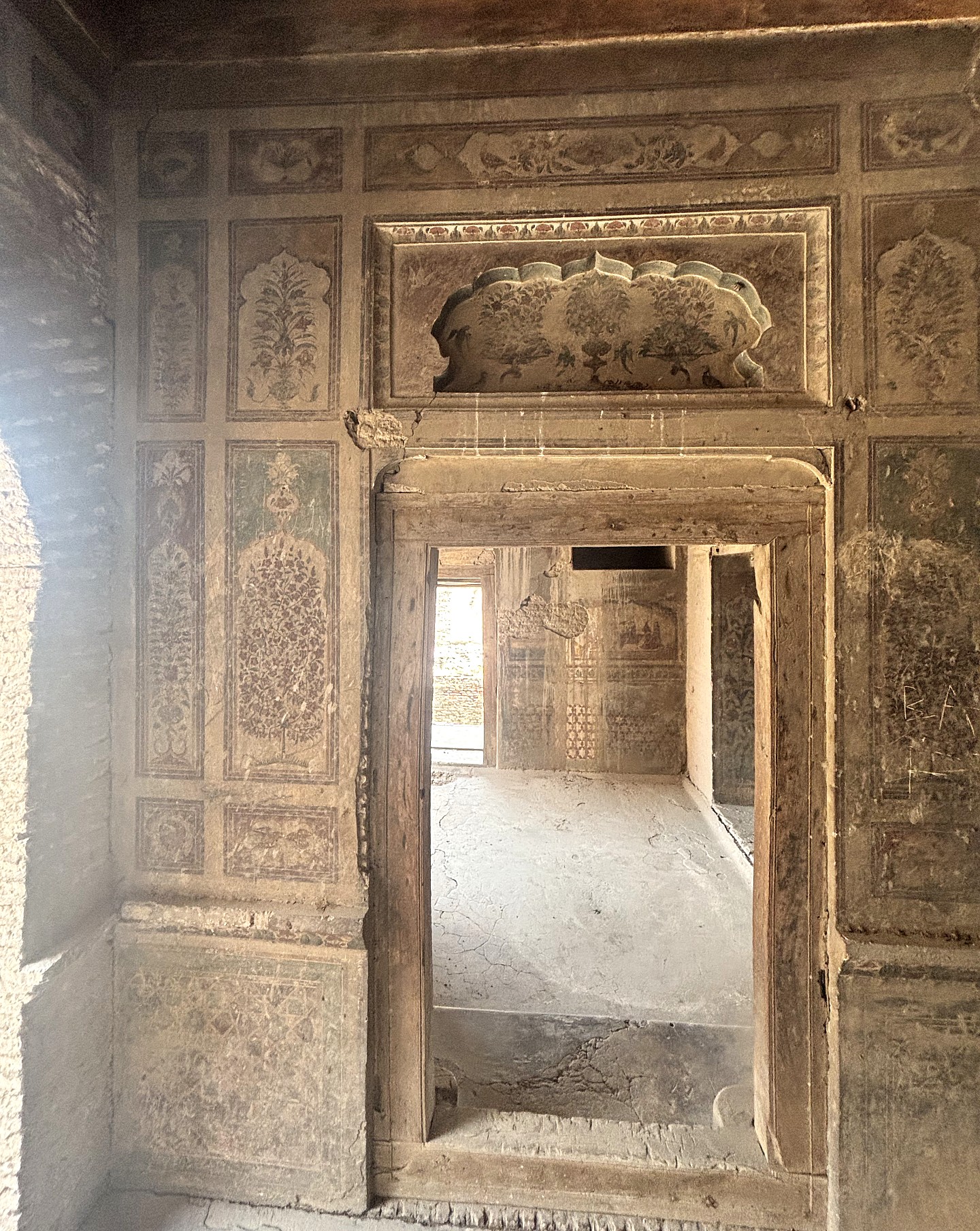
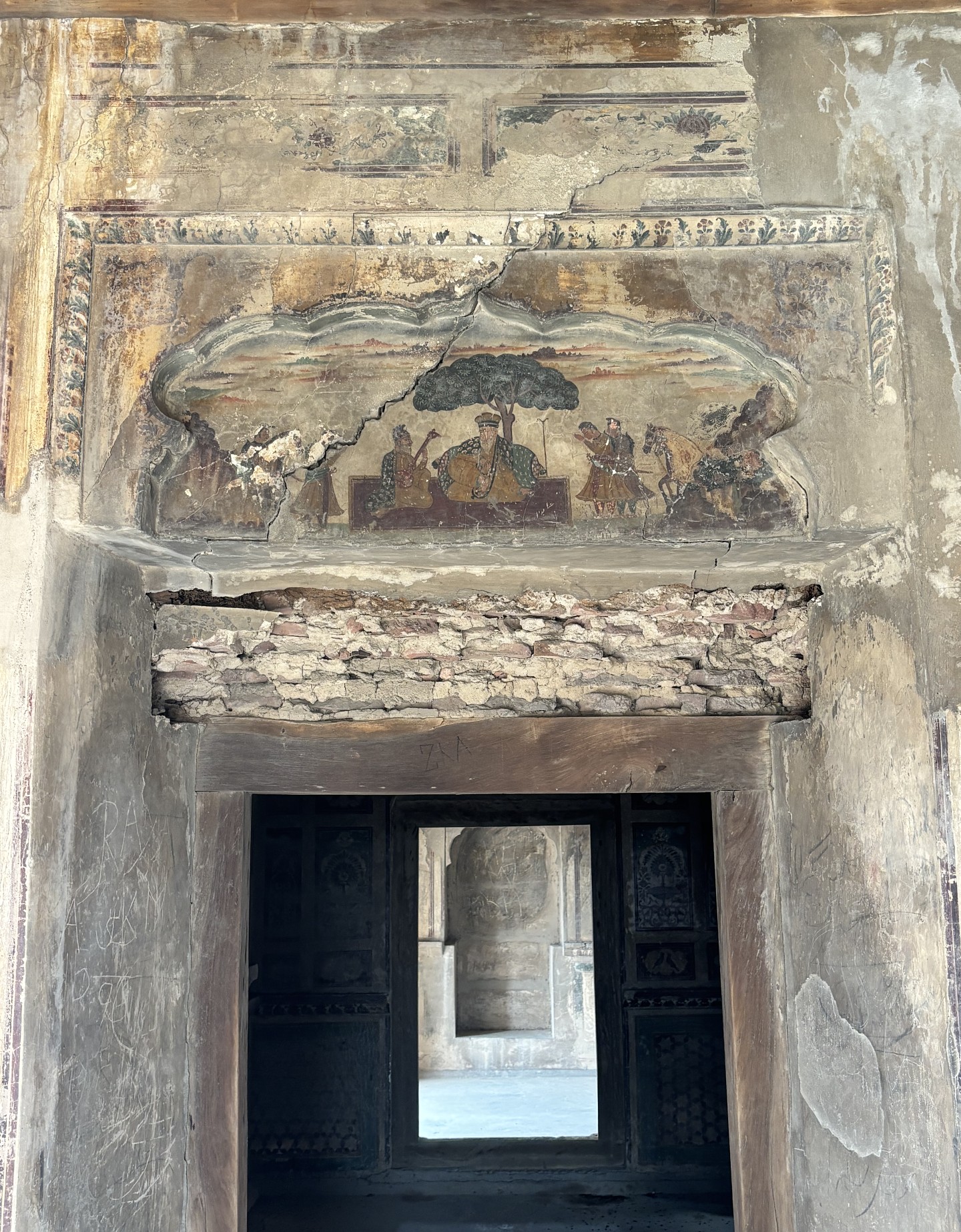
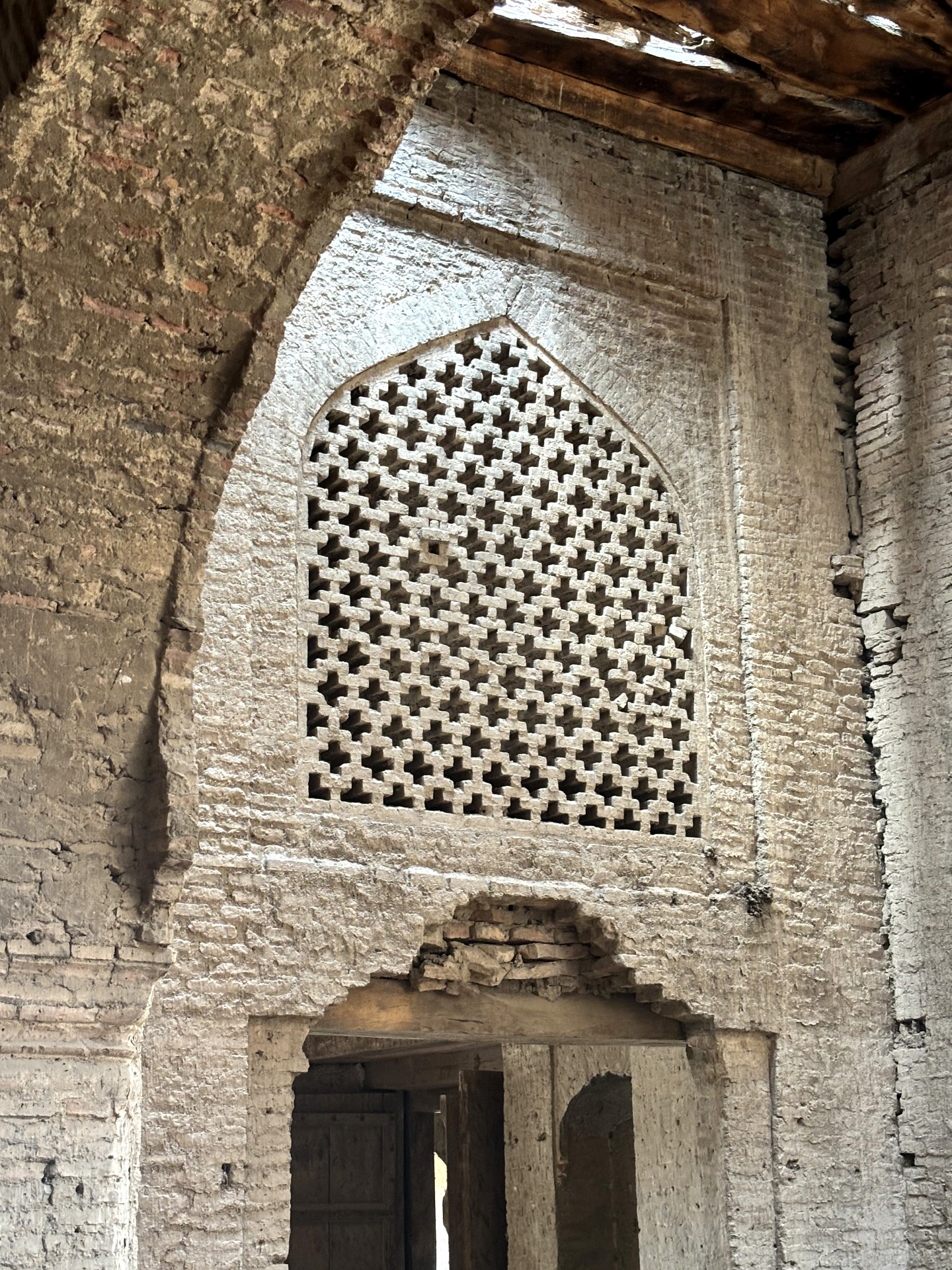
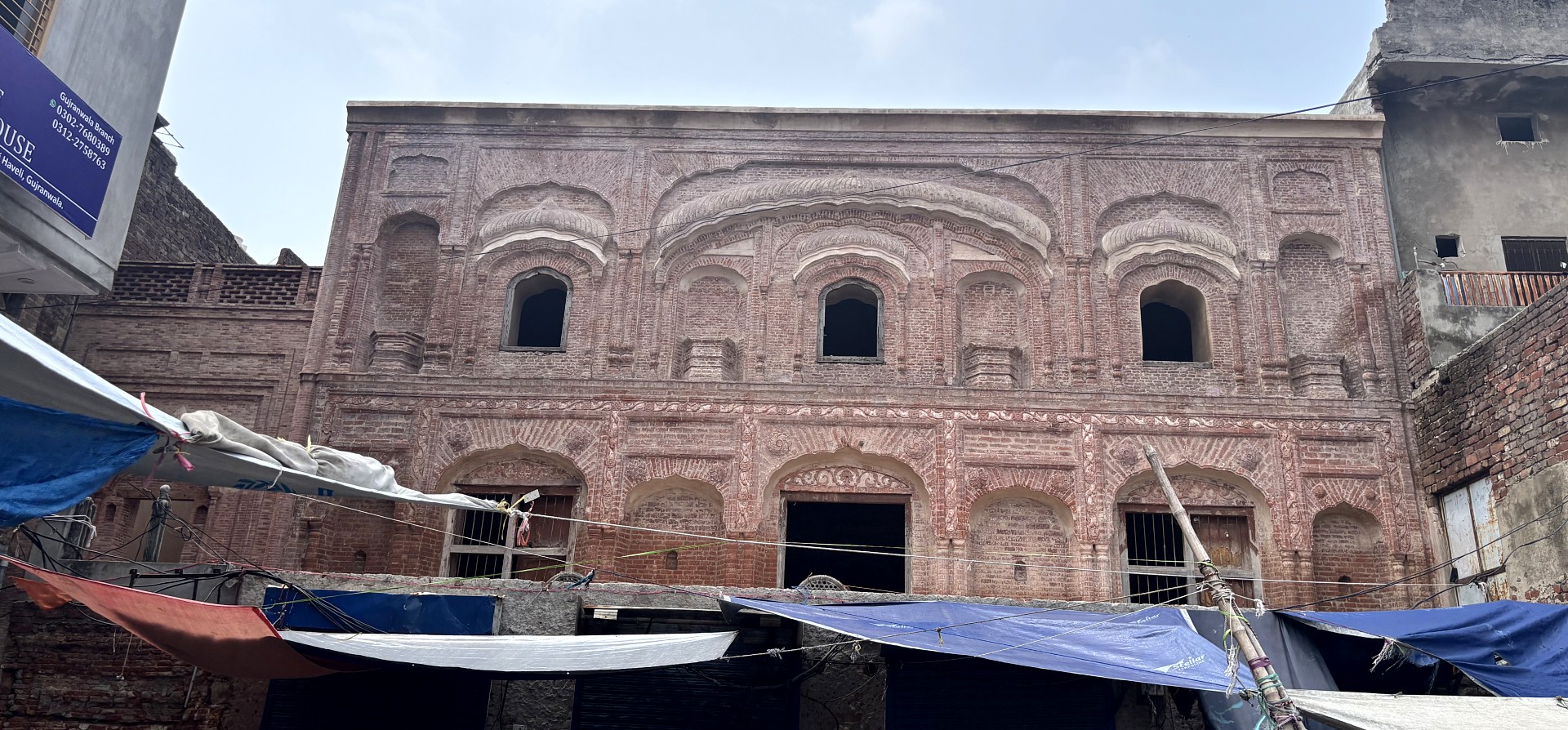
By treating the home as a place where gender roles were both performed and formed, “Home and the World” focuses on the social, spatial, and material aspects of everyday domestic life before the rise of modernism. The project documents and compares liminal spaces — including inner courtyards, rooftops, perforated screens, and balconies — where women socialized, oversaw activities, and participated in communal life. It also examines how those spaces were used differently across gender categories.
The team is documenting domestic spaces in 19th-century Tehran and Isfahan, major cities of Qajar-ruled Iran, and 19th-century Lahore, the capital of Sikh-ruled Punjab.
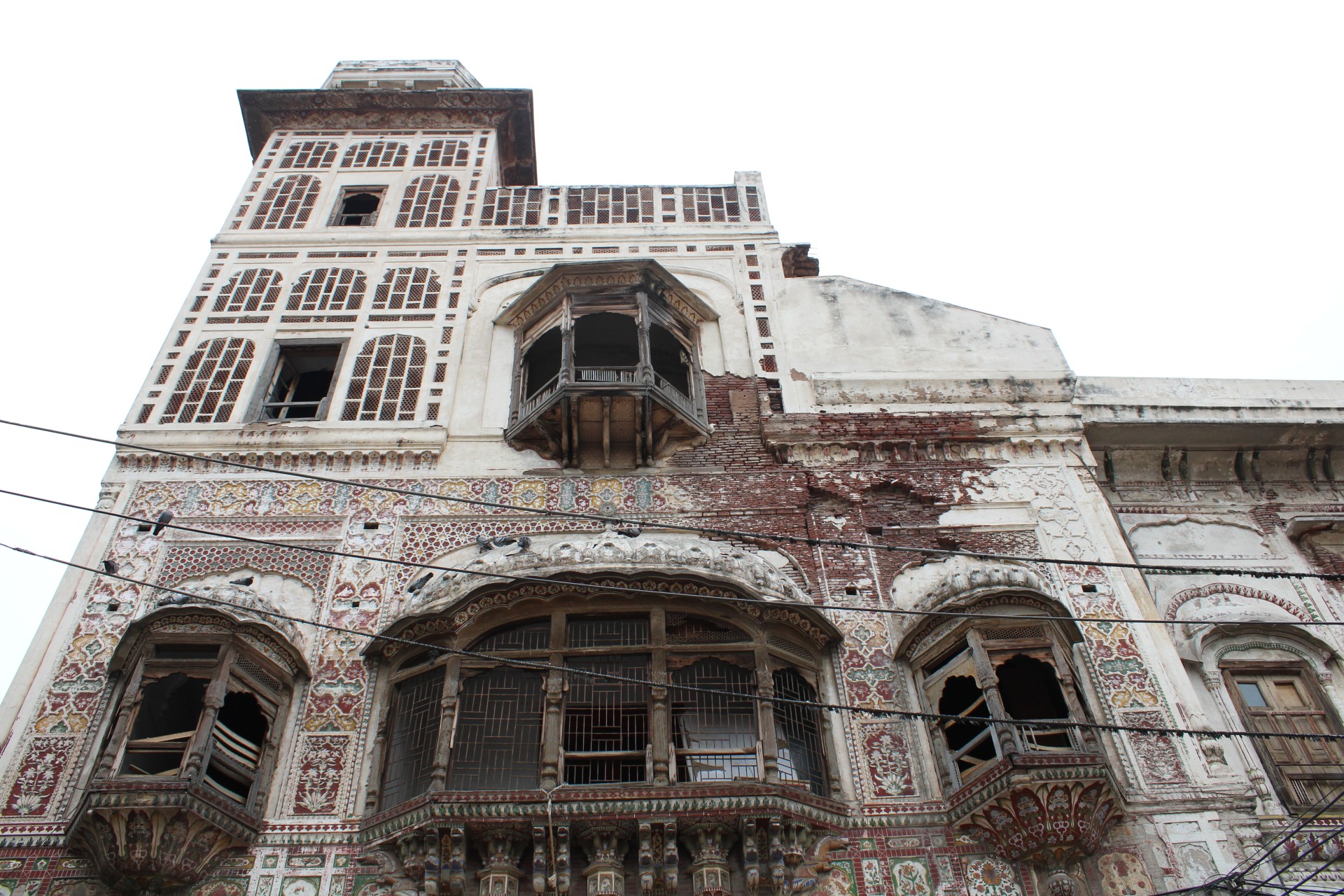
The project proposal states that “by studying surviving mansions in these cities, along with photographic, documentary, and cartographic evidence of domestic architecture and life, this project sheds light on everyday experiences of women and men, gender and sexual relations, kinship structure, community relations, and servitude and slavery.”
A central aim of the project is to place gender segregation within a broader comparative framework, moving beyond the idea that the harem was unique to pre-modern Muslim societies.
“Gender segregation was simultaneously practiced in Italy, China, Japan, India, and elsewhere,” Fathi said. “By studying Qajar Tehran, Isfahan, and Sikh Lahore together, this study takes a first step towards situating gender segregation in a broader comparative context. This has the promise of breaking out of the teleological narrative that envisions women’s history to move only between the poles of oppressive confinement and liberatory gender-mixing. Rather, it opens up for serious study the question of multiple systems of gender segregation, alongside architectural and social variations, which offer different possibilities for women.”
“This has the promise of breaking out of the teleological narrative that envisions women’s history to move only between the poles of oppressive confinement and liberatory gender-mixing.”
Samira Fathi
The Strategic Partnership Grant from GenCen, awarded in Fall 2025, and the matching funds from the Department of Art, Art History, and Design and Department of History supported fieldwork, travel, collaborations, and workshops that helped the team develop the project within a broader global context. The researchers were able to connect with scholars in Pakistan, Morocco, Turkey, and Canada who share an interest in the relationship between gender and domestic space.
The funding supported the “Gender and Space in the Early Modern World” workshop, held at MSU on March 30, 2026, which brought together scholars from MSU and beyond to present their research and discuss different approaches to studying gender and domestic space.


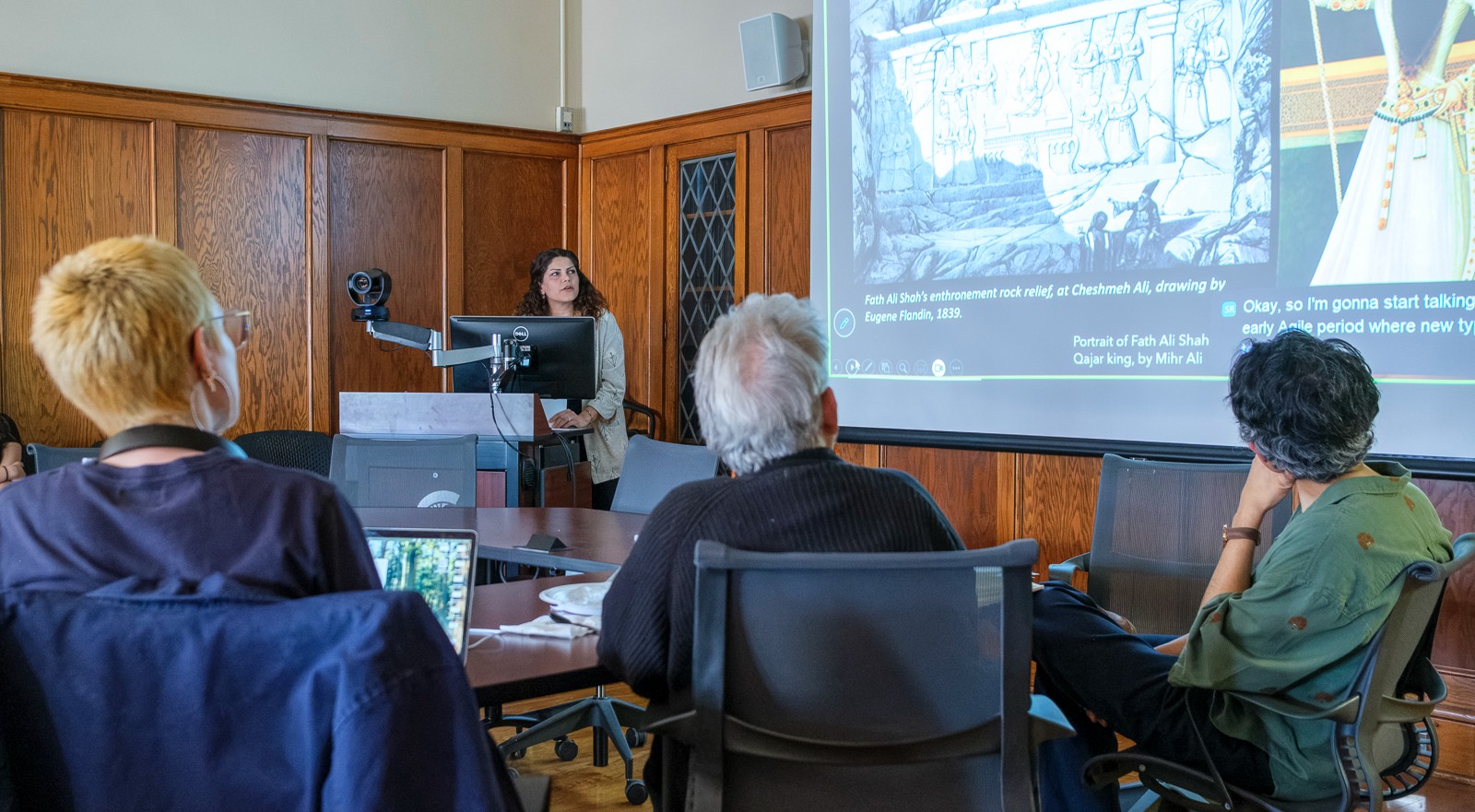
Fathi said the team hopes to expand the research beyond the current project’s geographic boundaries to examine the connections between gender and space in a global context.
“The generous GenCen Fall 2025 Strategic Partnership Grant, along with matching funds from our home departments, has been crucial for developing this project,” Fathi said. “We are so grateful for this support and excited to develop this project further in the future.”
By Austin Curtis


